Flatbed Hire Norwich
Call +44 20 8154 5320

Norwich self-drive dropside hire

Dropside and flatbed hire in Norwich for homes, trades and business

Planning guidance for Norwich householders, trades and businesses considering self-drive dropside or flatbed hire for timber, pallets, fencing or machinery. Compare the open-bed vehicle types, check the licence and weight figures for your driver, and work out how the load will be secured, carried and unloaded before you confirm a booking.

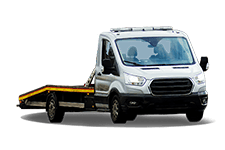
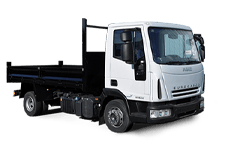
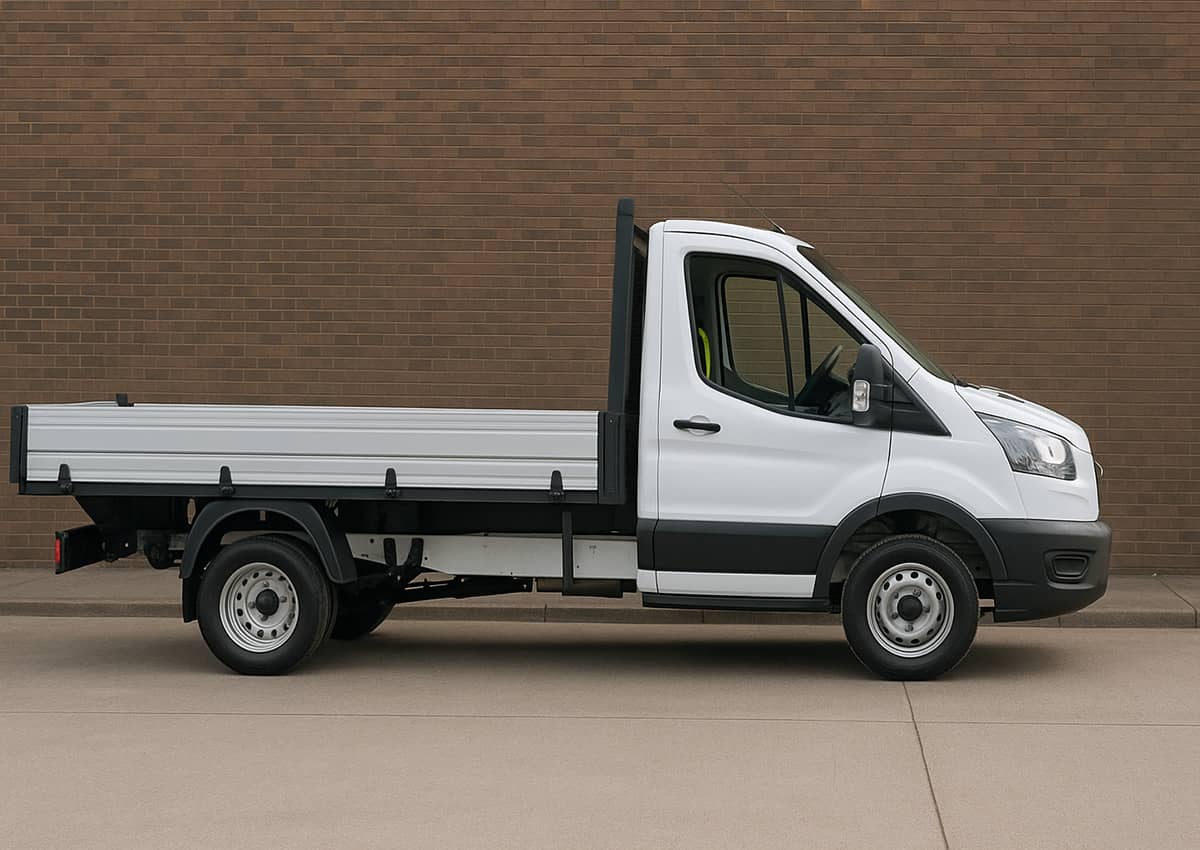
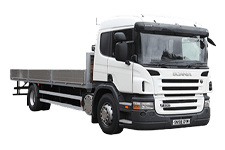
Representative flatbed truck; allocated vehicle must be confirmed

Speak to the flatbed booking team

+44 20 8154 5320

Choose from the load, not the badge

Flatbed and dropside options for Norwich

These are representative vehicle categories. Weight class is not cargo payload: the allocated vehicle’s actual payload, bed dimensions, equipment, driver requirements and availability must all be confirmed before booking.

3 metre dropside van hire category

Flatbed and dropside category

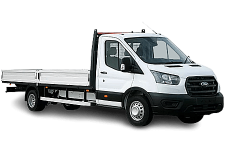
3 metre dropside van

A compact open-bed category with folding sides for trade loads and sites where a larger lorry would be awkward.

  • timber, fencing and boards
  • bagged or palletised materials
  • tools and smaller machinery
Cargo payload
1100 kg (representative)
Bed length
3 m (representative)

The published 1,100 kg figure is representative only. Confirm the allocated vehicle's payload, bed width and load restraint.

Enquire about this vehicle
4 metre dropside van hire category

Flatbed and dropside category

4 metre dropside van

A longer open-bed category for loads that need more deck length or side access than the shorter dropside.

  • long timber and pipe
  • palletised site supplies
  • event and landscaping materials
Bed length
4 m (representative)
Bed width
2 m (representative)

Published dimensions are representative. Confirm actual payload, body dimensions and overhang rules before booking.

Enquire about this vehicle
Dropside with tail lift hire category

Flatbed and dropside category

Dropside with tail lift

An open-bed option to discuss when a suitable tail lift may help with palletised or wheeled goods.

  • palletised loads
  • wheeled equipment
  • destinations without a loading dock
Bed length
4 m (representative)
Bed width
2 m (representative)

Tail-lift capacity is not vehicle payload. Confirm both figures, platform size, pallet-truck use and unloading surface.

Enquire about this vehicle
7.5 tonne dropside lorry hire category

Flatbed and dropside category

7.5 tonne dropside lorry

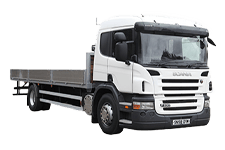
A larger dropside category for longer, heavier or multi-pallet loads when the route, driver and unloading plan suit a lorry.

  • scaffolding and pipe
  • multiple pallets
  • larger machinery and site supplies
Gross weight class
7.5 tonnes gross vehicle weight
Bed length
6 m (representative)
Bed width
2.35 m (representative)

C1 entitlement and possible commercial-use requirements apply. Confirm actual payload, bed dimensions and operating conditions.

Enquire about this vehicle
Phone-led matching
Discuss the load, route, access, driver and dates before a category is proposed.
Booking confirmation
Availability and final terms are confirmed during the booking process.
Address-level checks
Delivery and collection depend on the exact postcode, access and safe standing space.
Terms kept visible
Mileage, insurance, deposits and permitted use vary and must be checked for the hire.

Planning flatbed hire in Norwich

An open-bed vehicle earns its keep when a load is long or awkward, or needs lifting on from the side. A landscaper carrying sleepers, a builder moving boards and pipe and a household collecting a shed kit all face the same three questions. Will it fit on the deck? How much does it weigh? Where will the vehicle stand while it is unloaded? This page helps you answer them for a Norwich job before you choose a vehicle.

The vehicles below are described by type, not as specific vehicles you are guaranteed to get. Bed lengths and published capacities are typical figures, so the numbers that count are the ones for the vehicle you are actually given, confirmed in writing by the supplier. Use this guidance to take accurate measurements and prepare sensible questions. It does not replace the hire agreement or the official rules.

Choosing between the dropside vehicle types

A 3 metre dropside suits shorter trade loads such as fencing panels, bagged materials or a small machine, and its compact size is easier to position on a tight residential street. The typical published payload for this type is around 1,100 kg, but treat that figure as a guide only. The plate and specification of the vehicle you are given decide what you can actually carry.

A 4 metre dropside gives extra deck length for long timber, pipe or several pallets, with a typical bed width of around 2 metres. If your goods are on pallets or wheels and nobody at the destination has lifting equipment, ask about a dropside with a tail lift. Remember that the lift's rated capacity is a separate figure from the vehicle's payload.

The 7.5 tonne dropside lorry, with a typical 6 metre bed, is for heavier or multi-pallet jobs where the route, the driver's licence and the unloading space all suit a lorry. Bigger is not automatically better. A larger vehicle comes with licence, parking and access conditions that a van does not.

Sources: Nationwide Hire UK: 3 metre dropside, Nationwide Hire UK: 4 metre dropside, Nationwide Hire UK: dropside with tail lift, Nationwide Hire UK: 7.5 tonne dropside

Licence entitlement and the weight figures that matter

A standard category B car licence generally covers vehicles up to 3.5 tonnes maximum authorised mass. Heavier vehicles, up to 7.5 tonnes, generally need category C1. Check the categories printed on each named driver's current licence rather than relying on memory, and expect the supplier to apply its own age and experience conditions as well.

Maximum authorised mass, also called gross vehicle weight, is the most the loaded vehicle may weigh, and it is normally shown on the plate or sticker. It is not what you can put on the deck. Payload is what is left once the vehicle itself, the driver, any passengers, pallets and packaging have been accounted for.

Weigh or reliably estimate the goods before you book. With dense materials, stay well inside the confirmed payload and spread the weight so that no single axle is overloaded. On a multi-drop run, removing part of the load can shift the balance, so redistribute what is left. If you are unsure of the total, a public weighbridge will give you a definite figure.

Sources: GOV.UK: driving licence categories, GOV.UK: vehicle weights explained, DVSA: HGV overloading basics

Collecting building materials from a Norwich merchant

If your materials are coming from a builders' merchant, start with the exact address. Jewson lists its Mason Road branch at Mason Road, Mile Cross Lane, Norwich, NR6 6RR. Put the full postcode into your route rather than searching for the branch name, especially if you are driving an unfamiliar vehicle.

An address tells you where to go and nothing more. Before you set off, contact the branch to check that your order is ready, whether staff will load it and with what equipment, and whether your vehicle can get onto the site and turn. Take the sizes from your order paperwork so you can match them to the deck length and payload in advance.

Sources: Jewson: Norwich Mason Road address, HSE: safe loading and unloading

Residential unloading and council housing parking permits

Delivering to a council housing address needs a plan for where the vehicle will stand. Norwich City Council states that its housing parking permits cannot be used on large vehicles, meaning those over 3.5 tonnes or longer than 6 metres. A 7.5 tonne lorry is excluded on weight alone, and a van carrying an overhanging load may exceed the length limit. Measure the full external length, including anything that sticks out.

Even where a vehicle is within those limits, do not assume a resident's permit extends to a hired vehicle. A permit does not guarantee a space and is only valid for the car park it was issued for. Agree an actual unloading spot with the recipient, check the signs on arrival and have a fallback.

Sources: Norwich City Council: housing parking permits, HSE: safe loading and unloading

Securing the load on an open deck

DVSA guidance is clear that a load must be secured for the journey and cannot rely on its own weight or friction to stay in place. The method you use has to suit both the goods and the vehicle. Before loading, check the deck, the body and the anchor points, and ask the supplier which straps, chocks or other restraints, if any, come with the hire.

Tie the load down only to suitable rated anchor points, never to sheeting or rope hooks. Straps must be in good condition and rated for the job. Anti-slip matting, chocks and a headboard can each play a part, depending on the load. Do not assume the drop sides alone will hold a load in place; ask the supplier what the sides are designed to do.

Sources: DVSA: securing loads on HGVs and goods vehicles, DVSA: load securing basics, DVSA: ways to secure a load

Long loads and overhang

Long timber, scaffold tube and pipe are common reasons to choose an open bed, and they are also the loads most likely to stick out beyond it. Official guidance covers loads that overhang the rear and sides, including when they must be marked and when advance notice is required. Which rules apply depends on how far the load actually overhangs, so measure the real lengths rather than guessing.

The simpler answer is often a longer deck. If a 3 metre bed would leave a lot of the load hanging off the back, look at the 4 metre option before you plan any markers. Check the current guidance against the final measured load before you travel. Remember that any overhang also adds to the total length that matters at the destination.

Sources: DVSA and DfT: overhanging loads on vehicles, Nationwide Hire UK: 3 metre dropside, Nationwide Hire UK: 4 metre dropside

Unloading safely at the destination

HSE guidance says loading and unloading areas should be clear and level, the vehicle should stand as steadily as possible, and arrangements should be agreed in advance. For a delivery to a home, that means knowing where the goods will go and who will lift them. It also means checking whether the ground can take a pallet truck or trolley before the vehicle arrives.

DVSA expects loads to be safely unloaded as well as secured, so plan the unloading before you release any restraint. Check whether the load has moved during the journey, and keep everyone clear of the side you are opening. If the vehicle has a tail lift, confirm its platform size and rated capacity, and use it only on firm, level ground, following the manufacturer's instructions.

Sources: HSE: safe loading and unloading, DVSA: securing loads on HGVs and goods vehicles, Nationwide Hire UK: dropside with tail lift

Benefits of self-drive hire and the conditions that come with them

Self-drive hire lets you move materials when it suits the job, avoid waiting for a delivery slot and carry mixed loads in one trip. Those benefits come with conditions. The driver must hold the right licence, and the load must stay within the confirmed payload and be properly secured. Check what the hire agreement says about your responsibilities for the vehicle, including damage and fuel.

Other providers' product pages and terms are a useful reference, but they do not bind the company you actually hire from. Ask your supplier for its confirmed terms on insurance, deposit, mileage, fuel, age limits and any equipment, and read them before you collect the vehicle.

Sources: Third-party reference: Nationwide Hire UK terms and conditions, GOV.UK: driving licence categories
Full truck range

Other vehicles to ask about

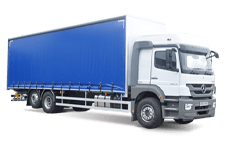
If an open-bed flatbed is not the right body type, the booking team can discuss these adjacent commercial categories. Every card is an enquiry category rather than a promise that a particular model is locally stocked.

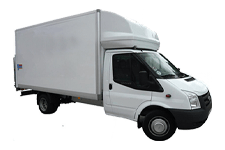
3.5 tonne Luton box with tail lift hire category

Other vehicle category

3.5 tonne Luton box with tail lift

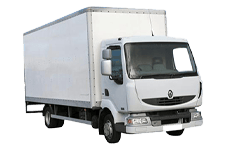
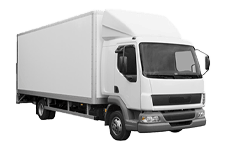
Enclosed box-body category for bulky removals and deliveries where weather protection and assisted loading matter.

Confirm internal dimensions, payload and tail-lift capacity for the allocated vehicle.

Enquire about this vehicle
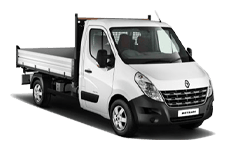
3.5 tonne tipper Transit hire category

Other vehicle category

3.5 tonne tipper Transit

Compact tipping-body category for suitable loose materials and site work.

Waste carriage, destination acceptance, payload and tipping conditions must be confirmed.

Enquire about this vehicle
3.5 tonne recovery truck hire category

Other vehicle category

3.5 tonne recovery truck

Vehicle-transport category with a recovery bed and winch, subject to the carried vehicle's measured weight.

Confirm recovery use, bed rating, carried vehicle weight, licence and insurance before booking.

Enquire about this vehicle
7.5 tonne box truck with tail lift hire category

Other vehicle category

7.5 tonne box truck with tail lift

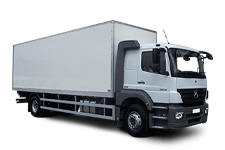
Larger enclosed-body category for commercial deliveries and removals with assisted loading.

Confirm C1 entitlement, payload, internal body dimensions and tail-lift capacity.

Enquire about this vehicle
7.5 tonne curtainside truck hire category

Other vehicle category

7.5 tonne curtainside truck

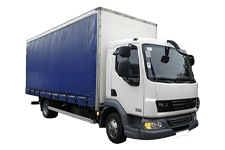
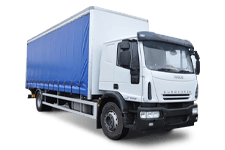
Curtainside body for side access to palletised goods while retaining weather protection.

Confirm C1 entitlement, payload, curtain/body dimensions and load restraint.

Enquire about this vehicle
7.5 tonne dropside truck hire category

Other vehicle category

7.5 tonne dropside truck

Open-sided lorry category for bulky building materials, timber and machinery.

Confirm C1 entitlement, actual payload, bed dimensions, route and unloading method.

Enquire about this vehicle
7.5 tonne tipper truck hire category

Other vehicle category

7.5 tonne tipper truck

Larger tipping-body category for appropriate aggregates, soil and site materials.

Confirm C1 entitlement, operator position, payload, waste rules and tipping-site conditions.

Enquire about this vehicle
7.5 tonne sleeper tail-lift truck hire category

Other vehicle category

7.5 tonne sleeper tail-lift truck

Longer-distance box or delivery category combining a sleeper cab and tail lift.

Confirm body type, sleeper provision, payload, tail-lift capacity and driver requirements.

Enquire about this vehicle
18 tonne box truck hire category

Other vehicle category

18 tonne box truck

Heavy enclosed-body category for larger commercial transport and distribution requirements.

Specialist heavy-vehicle licensing, operator, insurance and availability checks apply.

Enquire about this vehicle
18 tonne curtainside truck hire category

Other vehicle category

18 tonne curtainside truck

Heavy curtainside category for larger palletised or industrial loads needing side access.

Confirm payload, body dimensions, route restrictions and commercial operating requirements.

Enquire about this vehicle
26 tonne curtainside truck hire category

Other vehicle category

26 tonne curtainside truck

High-capacity rigid curtainside category for substantial commercial loads.

This is a specialist heavy-vehicle enquiry; confirm all operator, driver, route and payload conditions.

Enquire about this vehicle
44 tonne articulated truck hire category

Other vehicle category

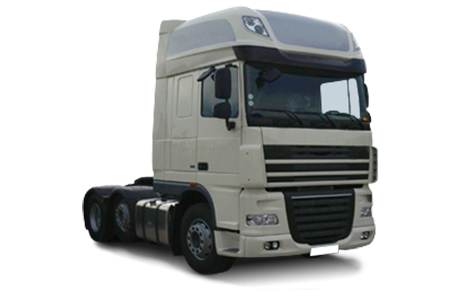
44 tonne articulated truck

Articulated heavy-goods category for specialist large-scale freight and long-distance commercial work.

Specialist operator, driver, site-access, route, insurance and load-planning requirements apply.

Enquire about this vehicle

Quote checklist

Have the whole job ready

A useful quote begins with the measured load and both ends of the journey.

Flatbed hire questions for Norwich

Can I use a resident's housing parking permit when unloading a dropside in Norwich?

Not necessarily, and you should not assume so. Norwich City Council says housing parking permits cannot be used on vehicles over 3.5 tonnes or longer than 6 metres. A permit is only valid for its named car park and does not guarantee a space. Check the permit and signs, and agree an unloading position with the recipient.

Will the Mason Road merchant in Norwich load my hired dropside for me?

We cannot confirm that. The published address is Mason Road, Mile Cross Lane, NR6 6RR. Ask the branch directly about your order, loading help, equipment and whether your vehicle can get onto the site.

Which licence do I need to drive a 7.5 tonne dropside around Norwich?

Vehicles over 3.5 tonnes and up to 7.5 tonnes maximum authorised mass generally need category C1. A standard category B licence generally covers vehicles up to 3.5 tonnes. Check each driver's current licence and the supplier's own age and experience rules.

Is the gross weight on the plate the amount I can carry on my Norwich job?

No. Gross vehicle weight is the most the loaded vehicle may weigh. Your usable payload is what remains after the vehicle, driver, passengers, pallets and packaging are counted. Confirm the payload for the vehicle you are given, and use a weighbridge if you are unsure.

Do long timber or pipe loads collected in Norwich need marking?

It depends on how far the load overhangs the rear or sides. Official guidance sets out when marking or advance notice is needed. Measure the final load, check the current guidance before travelling, or choose a longer deck to reduce the overhang.

Local sources and supporting guidance

Check current rules and the destination signs before travelling. Category specifications are examples, not allocated-vehicle guarantees.